

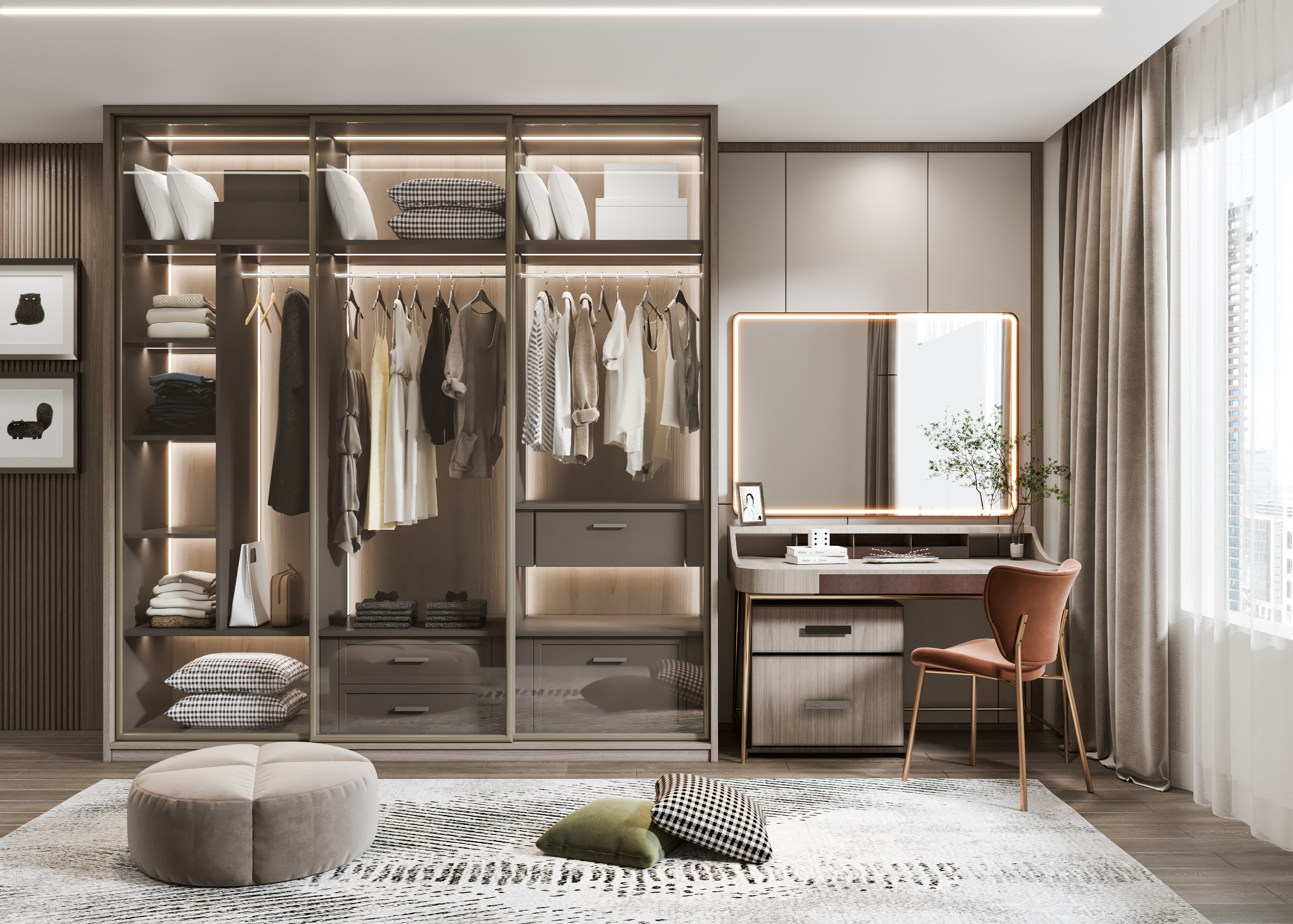
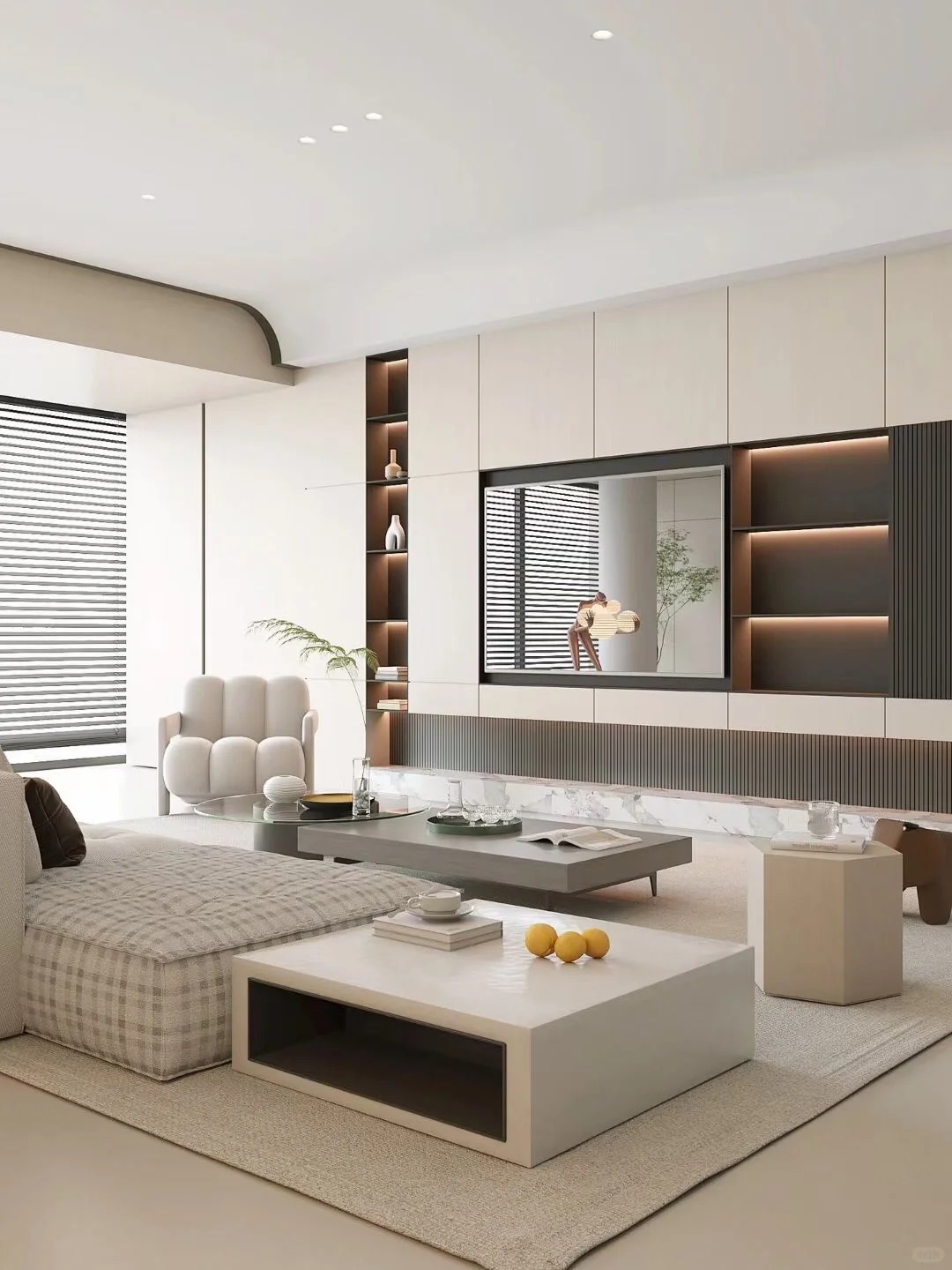

Driven by Africa's sustained urbanization, youth demographic dividend, and widespread mobile internet adoption, the continent's home furnishing market is witnessing significant structural growth and consumption upgrading in 2025. Modular flat-pack furniture, custom furniture, small home appliances, and service ecosystems connected via social commerce and O2O models are reshaping the regional home retail landscape, with cabinet products emerging as a high-demand category amid kitchen and living space upgrades.
Macroeconomic Forces Drive Demand Growth
Population expansion and rapid urbanization form the cornerstone of market expansion. Young consumers have emerged as the primary spending force, with the growing middle class in countries such as Nigeria, Egypt, Kenya, and South Africa spurring demand for mid-to-high-end and customized home furnishings—including custom furniture tailored to compact urban living spaces and cabinet solutions optimized for storage efficiency. Housing construction and urban renewal projects also directly boost rigid demand for furniture, cabinet systems, and small home appliances.
Online Channels and Social Commerce Gain Traction
The popularity of mobile internet and digital payments has transformed shopping behaviors. Social platforms (e.g., WhatsApp, Instagram) and short-video live streaming demonstrate strong conversion capabilities for visually-driven products like custom furniture and cabinet designs, with Kenya leading digital payment and e-commerce innovation through M-Pesa. The O2O model has gradually become mainstream for large furniture purchases—including bulk cabinet orders and made-to-measure custom furniture—with online browsing and ordering, offline experience and confirmation, followed by home delivery and professional installation, forming a closed loop.
Clear Product and Service Stratification
The market exhibits multi-tiered development: affordable modular furniture meets the needs of first-time homebuyers and renters; mid-to-high-end consumers prefer localized cultural elements and customized services, driving strong demand for custom furniture (such as space-saving multi-functional sets) and cabinet products integrated with local aesthetic preferences; home textiles, decorations, and small home appliances are experiencing rapid online growth. Furniture rental, second-hand renovation, and subscription services—including flexible leasing of cabinet systems and custom furniture—are also gaining popularity among urban youth.
Supply Chain and Localized Production Become Competitive Focus
Faced with exchange rate volatility and logistics cost pressures, enterprises increasingly favor local assembly or partnerships with local manufacturers to mitigate risks and shorten delivery cycles—particularly critical for bulk items like cabinet modules and made-to-order custom furniture. Logistics and "last-mile" delivery capabilities directly impact brand reputation and expansion efficiency, especially for fragile or precision-manufactured cabinet components.
Risks Remain Unignorable
Political and economic fluctuations, inadequate infrastructure, currency devaluation, and inflation may raise import costs for raw materials used in custom furniture and cabinet production, and squeeze profit margins. Market fragmentation also increases operational complexity, especially for standardized cabinet lines and region-specific custom furniture requirements.
Investment and Expansion Strategies Tend Toward Prudence
Many enterprises adopt a "point-to-area" strategy, piloting operations in South Africa, Kenya, Nigeria, or Egypt before scaling to other countries. Installment payments, BNPL (Buy Now, Pay Later), and extended warranty services have become key tools to enhance conversion rates for high-value purchases like custom furniture and cabinet sets.
Industry observers note that over the next three years, enterprises successfully integrating product modularization, digital marketing, and localized supply chains—while excelling in custom furniture personalization and cabinet product innovation, and closely aligning with local payment and logistics systems—will seize first-mover advantages in the African market.
Key Metrics and Market Focus Areas
Customer unit price, online conversion rate, repurchase rate, delivery time, inventory turnover, and customer acquisition cost have become core monitoring indicators—with special attention to lead times for custom furniture and cabinet production, and after-sales satisfaction for customized installations. Balancing price competitiveness with after-sales service quality is crucial for long-term brand sustainability, particularly in the custom furniture and cabinet segments.
About Lingyin Group
As a modern enterprise deeply rooted in the door, window, and home furnishing manufacturing sector, Lingyin Group actively responds to the structural growth opportunities in the African market. Guided by its core strategy of "modular design, localized production, and digital marketing," the group is committed to providing African consumers with high-quality, customizable, and easy-to-install home products—including a diverse range of custom furniture and cabinet solutions tailored to local living habits and space constraints. By integrating localized cultural elements into custom furniture designs and cabinet aesthetics, optimizing supply chain layout for efficient production of cabinet modules and made-to-order custom furniture, and collaborating closely with local payment and logistics partners, Lingyin Group is steadily advancing its African market expansion—empowering customers to create ideal living spaces and seize the first-mover advantages of the home consumption upgrade.
